General election

Election Day Need-to-Know

Days to go14
Election dayTuesday, Nov. 3, 2026
Polls open7 a.m. – 8 p.m.
01

Mark your calendar

RegisterBy Nov 3Online and mail registration closed Oct 19. You can still register in person at your city or township clerk's office with proof of where you live, up to 8 p.m. on Election Day.
Early votingOct 24 – Nov 1At least these 9 days everywhere. Some cities and townships start sooner, so check with your clerk.
Request a mail ballotBy Oct 30Any voter can get one, no reason needed. Ask online or by mail by 5 p.m. Oct 30, or in person at your clerk's office by 4 p.m. Nov 2.
Return your mail ballotBy Nov 3It must arrive by 8 p.m. Nov 3. In the last two weeks, drop it in your clerk's drop box or bring it to their office instead of mailing it.
Election dayNov 37 a.m. – 8 p.m., local time.

Registered? Know where you vote?

Check my voter page →
02

Where do you live?

Some races depend on where you live. Enter your address and we'll fill in your districts. Or find them on your voter page from step 1 and pick them below.

We don't save your address.
Your districts
Sets your U.S. House race.
03

Who's on your ballot

See the races, who's running, and what they do.

Good to know

Bring a photo ID if you have one. Michigan asks for a photo ID, like a driver's license or passport, but you don't need one to vote. If you don't have it with you, you sign a short form at the polls and vote like everyone else.

You can register on Election Day. Go to your city or township clerk's office (not your polling place) with proof of where you live, like a utility bill, bank statement, or paycheck stub. You can register and vote there until 8 p.m.

Federal

They make laws for the entire country.U.S. Senate U.S. House
Office

U.S. Senate

Term6 years
What they do

Votes on national laws, approves federal judges and cabinet members, and approves treaties. Michigan has two senators. One of only 100 votes on every law in the country.

Candidates
  • Lydia ChristensenLibertarian
    Campaign money
    • Raised $7,100 and spent $4,800 since Apr 2025.
    • Of the money donors gave, 57% came from individual people and 0% from PACs (groups that collect money to give to candidates).
    Source and every donor: FEC
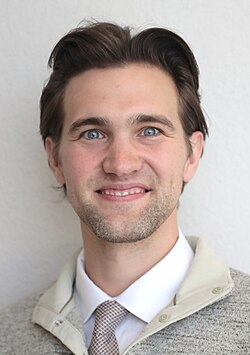
  • Abdul El-SayedDemocrat

    Abdulrahman Mohamed El-Sayed is an American epidemiologist and politician who is the Democratic nominee in the 2026 United States Senate election in Michigan.

    Campaign money
    • Raised $45.2 million and spent $41.4 million since Jan 2025.
    • Of the money donors gave, 99% came from individual people and 1% from PACs (groups that collect money to give to candidates).
    • Since 2025, 18 PACs gave $68,745 to their campaign.
    • Since 2025, outside groups like super PACs spent $2.4 million to help them and $20.8 million against them.
    Source and every donor: FEC

    Facts from Wikipedia.

  • Walter P. KristyNatural Law
    Campaign money

    No totals yet. The FEC only lists a candidate after they raise or spend more than $5,000.

    Source and every donor: FEC
  • Tim LongU.S. Taxpayers
    Campaign money

    No totals yet. The FEC only lists a candidate after they raise or spend more than $5,000.

    Source and every donor: FEC
  • Douglas P. MarshGreen
    Campaign money

    No totals yet. The FEC only lists a candidate after they raise or spend more than $5,000.

    Source and every donor: FEC
  • Mike RogersRepublican
    Campaign money
    • Raised $20.6 million and spent $14.3 million since Jan 2025.
    • Of the money donors gave, 92% came from individual people and 8% from PACs (groups that collect money to give to candidates).
    • Since 2025, 136 PACs gave $777,750 to their campaign.
    • Since 2025, outside groups like super PACs spent $13.7 million to help them and $6.4 million against them.
    Source and every donor: FEC
Office

U.S. House

Term2 years
What they do

Votes on national laws, and speaks for your district in Washington. Your closest voice in Washington, and you get to keep or replace them every two years.

Candidates

Enter your address in step 02 to see who's running in your district.

State

They run Michigan. Everyone in the state votes on these.Governor and Lieutenant Governor Secretary of State Attorney General
Office

Governor and Lieutenant Governor

Term4 years
What they do

The governor runs the state, proposes the state budget, and signs or vetoes every bill the legislature passes. The lieutenant governor leads the State Senate, votes there only to break a tie, and takes over if the governor can't serve. Shapes how Michigan spends its money on schools, roads, and health care.

Candidates
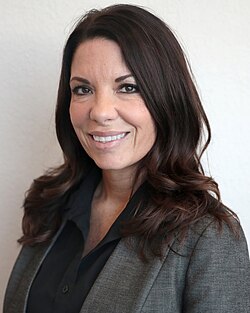
  • Jocelyn BensonDemocrat

    Running with Winnie Brinks for lieutenant governor

    Jocelyn Michelle Benson is an American politician and attorney who has served as the 43rd secretary of state of Michigan since 2019.

    Facts from Wikipedia.

  • Donna BrandenburgU.S. Taxpayers

    Running with Robert Donald Cowper II for lieutenant governor

  • Douglas CampbellGreen

    Running with Bobbie Clay for lieutenant governor

  • Anthony HudsonLibertarian

    Running with Beau Parmenter for lieutenant governor

  • John JamesRepublican

    Running with Jay DeBoyer for lieutenant governor

    Offices held
    • U.S. House, Michigan's 10th District · 2023–now
    Source: unitedstates/congress-legislators
Also handles

You vote for the governor and lieutenant governor together, as a pair · Can veto single spending items out of the budget

Office

Secretary of State

Term4 years
What they do

Runs Michigan's elections, and the Secretary of State offices where you get a driver's license or register a car. Decides how elections run across the state, from voter rolls to counting ballots.

Candidates
  • Scott E. AughneyU.S. Taxpayers
  • Eric BorregardGreen
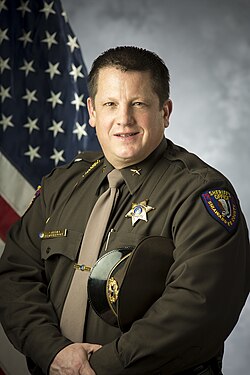
  • Anthony G. ForliniRepublican

    Anthony G. Forlini is an American businessman and politician serving as the county clerk of Macomb County, Michigan since 2021.

    Facts from Wikipedia.

  • Garlin Gilchrist IIDemocrat

    Garlin Gilchrist II is an American politician and engineer serving as the 64th lieutenant governor of Michigan since 2019.

    Facts from Wikipedia.

  • Christine SloanLibertarian
Office

Attorney General

Term4 years
What they do

Michigan's top lawyer. Represents the state in court and gives legal advice to state agencies. Goes after scams and companies that mislead customers.

Candidates
  • Doug DernNatural Law
  • Jason DyeLibertarian
  • Doug LloydRepublican
  • John Perry Ludtke Jr.U.S. Taxpayers
  • Jeff PolonowskiGreen
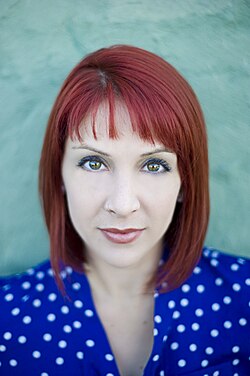
  • Eli SavitDemocrat

    Eli Noam Savit is an American lawyer, professor, and politician serving as the prosecuting attorney of Washtenaw County, Michigan, since 2021.

    Facts from Wikipedia.

Schools and universities

Boards that oversee Michigan's public schools and three of its universities. Everyone in the state votes on these.State Board of Education University of Michigan Board of Regents Michigan State University Board of Trustees Wayne State University Board of Governors
Office

State Board of Education

Term8 years
What they do

Sets statewide rules and plans for Michigan's public schools, from kindergarten through adult education, and picks the state superintendent who carries them out. There are 8 members, each elected for 8 years; 2 seats are on the ballot this year. Its decisions reach every public school student in the state.

Candidates
  • Wissam CharafeddineGreen
  • Terence CollinsRepublican
  • Charles EssnerLibertarian
  • Mary Anne HeringWorking Class
  • Bree MoeggenbergRepublican
  • William Mohr IIU.S. Taxpayers
  • Kelli MonroeNatural Law
  • Judith PritchettDemocratHas the job now
  • Christine C. SchwartzU.S. Taxpayers
  • Tiffany TilleyDemocratHas the job now

You can vote for up to 2. The 2 people with the most votes win.

Office

University of Michigan Board of Regents

Term8 years
What they do

Runs the University of Michigan: approves its budget and tuition, and picks its president. There are 8 regents, each elected for 8 years; 2 seats are on the ballot this year. Based in Ann Arbor, with campuses in Dearborn and Flint.

Candidates
  • Paul BrownDemocrat
  • Andrew ChadderdonLibertarian
  • Lena EpsteinRepublican
  • Kyle MaasU.S. Taxpayers
  • Amir MakledDemocrat
  • Michael SchostakRepublican

You can vote for up to 2. The 2 people with the most votes win.

Office

Michigan State University Board of Trustees

Term8 years
What they do

Runs Michigan State University: approves its budget and tuition, and picks its president. There are 8 trustees, each elected for 8 years; 2 seats are on the ballot this year. Based in East Lansing.

Candidates
  • Julie MadayRepublican
  • Yaz OzbekWorking Class
  • Daniel R. PattersonLibertarian
  • John Anthony La PietraGreen
  • Janet SangerU.S. Taxpayers
  • John SangerU.S. Taxpayers
  • Brianna ScottDemocrat
  • Roger VictoryRepublican

    Roger Victory is a Republican politician from Michigan currently serving in the Michigan Senate, representing the 31st district since 2023.

    Facts from Wikipedia.

  • Will Tyler WhiteLibertarian
  • Kelly Tebay ZemkeDemocrat

You can vote for up to 2. The 2 people with the most votes win.

Office

Wayne State University Board of Governors

Term8 years
What they do

Runs Wayne State University: approves its budget and tuition, and picks its president. There are 8 governors, each elected for 8 years; 2 seats are on the ballot this year. Based in Detroit.

Candidates
  • Shereef AkeelDemocrat
  • Jami Van AlstineLibertarian
  • Andy AnuzisRepublican
  • Alex AveryLibertarian
  • Richard MackDemocrat
  • Jeff McDonaldU.S. Taxpayers
  • Christa MurphyRepublican
  • Kathleen OakfordNatural Law
  • Paul M. RaganGreen
  • Suzanne RoehrigWorking Class

You can vote for up to 2. The 2 people with the most votes win.

State lawmakers

They write Michigan's laws. Your district decides who's on your ballot.State Senate State House
Office

State Senate

Term4 years
What they do

Writes Michigan's laws and passes the state budget. There are 38 state senators. State laws cover schools, roads, criminal law, and voting rules.

Has the seat now

Pick your State Senate district in step 02.

Office

State House

Term2 years
What they do

The other half of the legislature. There are 110 state representatives, each with a smaller district than a senator's. Every bill has to pass here and in the State Senate before the governor can sign it.

Has the seat now

Pick your State House district in step 02.

Ballot questions

Yes-or-no questions for every Michigan voter.Proposal 1: Rewrite the state constitution Proposal 2: Campaign money from utilities and contractors
Question

Proposal 1: Rewrite the state constitution

What it is

Every 16 years, Michigan's constitution puts this question to voters automatically. It asks whether to hold a convention to rewrite the constitution. Voters said no in 1978, 1994, and 2010.

YES means voters would elect 148 delegates (one for each State Senate and State House district), who would meet in 2027 to write a new or revised constitution. Voters would then get to approve or reject it. NO means no convention; the current constitution stays as it is.

Exact wording on your ballot

“A proposal to convene a constitutional convention for the purpose of drafting a general revision of the State Constitution. Shall a convention of elected delegates be convened in 2027 to draft a general revision of the State Constitution for presentation to the State's voters for their approval or rejection?”

Source: Michigan Senate Fiscal Agency, Ballot Proposal 26-1 overview
Question

Proposal 2: Campaign money from utilities and contractors

What it is

A law proposed by a petition. It would stop regulated gas and electric companies, and businesses with over $250,000 a year in government contracts, from giving money to candidates for offices that affect them. It would also require more ads about candidates or ballot questions to say who paid for them, including online ads.

YES makes these changes to Michigan's campaign finance law. NO keeps the law as it is.

Exact wording on your ballot

“A proposed initiated law to prohibit campaign contributions from certain regulated utilities and government contractors and apply campaign finance laws and regulations to additional types of political communications. The proposal would: Prohibit regulated electric and gas utilities, contractors with over $250,000 annually in government contracts, and people and organizations with substantial connections to these utilities/contractors from making direct or indirect campaign contributions to those who run for or hold offices that impact them. Expand laws governing spending on political communications, including those requiring disclosing donor information, to apply to communications clearly identifying candidates or ballot questions, even if they do not expressly advocate voting for/against them. Expressly apply the law requiring disclosure of who paid for political communications to internet political communications. Should this proposal be adopted?”
Source: Michigan Senate Fiscal Agency, Ballot Proposal 26-2 overview